Chemical energy
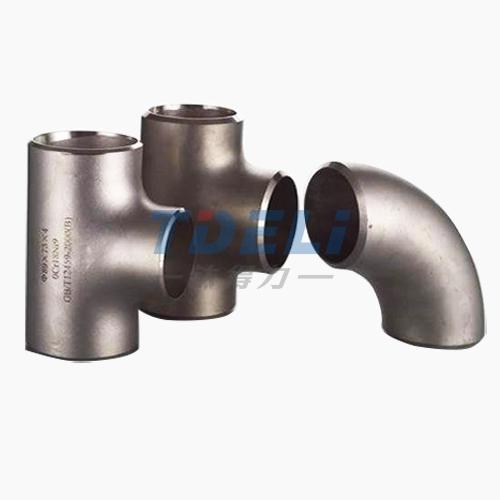
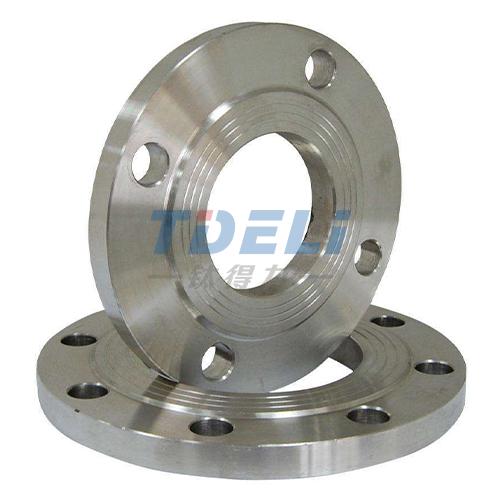
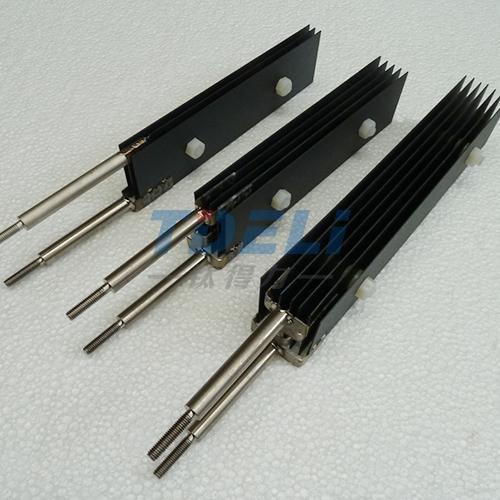
In chemical production, titanium alloys can be used to manufacture equipment such as reactors, heat exchangers, and pipelines, which can withstand the erosion of various corrosive media such as strong acids and alkalis, thereby extending the service life of the equipment.
In the energy sector, especially in seawater desalination plants, drilling platforms, pipelines, and equipment for oil and gas extraction, the corrosion resistance advantage of titanium metal is fully utilized.
EADS
This is one of the earliest and most significant applications of titanium metal. Titanium alloys are widely used in aircraft fuselage structures and engine components (such as compressor disks and blades) because they can reduce the weight of the fuselage while withstanding high temperatures and complex stress environments, thereby enhancing the fuel efficiency and flight performance of aircraft. For example, the amount of titanium alloy used in the Boeing 787 passenger aircraft accounts for abo
Medical treatment
Due to its excellent biocompatibility, titanium does not cause rejection reactions in the human body and is resistant to corrosion by bodily fluids. Therefore, it is widely used in the manufacture of artificial joints (such as hip and knee joints), orthopedic implants (such as bone screws and plates), heart stents, dental implants, and more.
In addition, some high-precision tools in surgical instruments are also made of titanium alloy due to its light weight, which facilitates doctors'
Sport
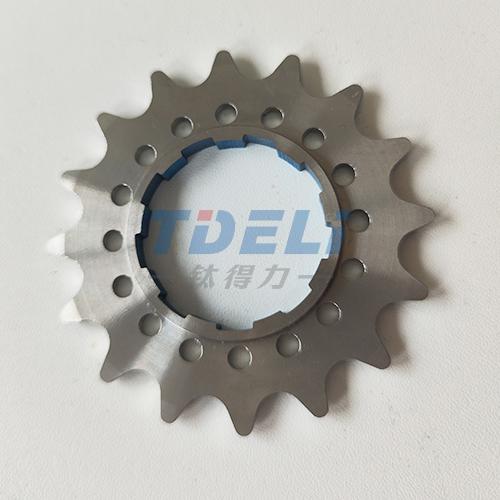
In terms of sports equipment, titanium alloy is commonly used in golf clubs, tennis rackets, bicycle frames, skis, etc., leveraging its high strength and lightweight characteristics to enhance the performance and user experience of the equipment.
The watchcases and straps of high-end watches also utilize titanium metal, due to its lightweight, wear-resistant nature, and skin-friendliness.
Transportation
In the automotive industry, titanium alloys are primarily utilized in engine components and suspension systems of high-performance sports cars or racing cars, aiming to reduce vehicle weight and enhance power performance and fuel efficiency. Although their application in ordinary household cars is currently limited due to high costs, with technological advancements, their potential for application is gradually emerging.
In shipbuilding, titanium alloys can be used to manufacture marine prope
Other areas
In the military industry, titanium alloys are used in armor plates for tanks and armored vehicles, as well as in the structure of missile bodies, to enhance the protective capabilities and maneuverability of equipment.
In the field of 3D printing, titanium alloy powder serves as a crucial printing material, enabling the fabrication of components with intricate shapes. It exhibits unique advantages in aerospace, medical, and other sectors.













 Consultation Hotline: